
Everglades National Park reveals its magic and beauty when you experience it up close. It doesn’t look like much from a car windshield.
This Everglades National Park visitor guide is designed for the first-time visitor and suggests ways you can get to know the Everglades and see some of its famous wildlife.
It is based on four decades of visits by a South Florida resident who loves this land and these waters. I’ve paddled every trail in Everglades National Park and hiked nearly every trail. (Some feature shoe-sucking mud and even the park rangers don’t recommend them!)
We’ve updated for the 2024 season, and there are some significant changes — admission is up to $35 for vehicle (from $30) and the Flamingo area has a terrific new visitor center and lodge, making it an even more appealing destination.

Which part of the Everglades should you visit?
Your first decision in visiting the Everglades National Park is which entrance to use — there are three, they are hours apart and you cannot drive through the Everglades from one to the other.
The essential experience in this 1.5 million acre World Heritage Site is the opportunity to observe Everglades wildlife up close and appreciate the vastness and diversity of this river of grass. You can do this at either Shark Valley or the Homestead national park entrance.
The Shark Valley entrance to Everglades National Park is off the Tamiami Trail (US 41) directly west of downtown Miami. Here’s a good look at how to walk, bicycle or take the tram on the 15 mile Shark Valley trail. We highly recommend the experience of biking in Shark Valley. In recent years, the bird and alligator sightings have actually been better along Shark Valley than from the Homestead entrance.
Shark Valley is an easy day-trip from Miami or Broward County. It makes a great Everglades outing, and if you have time to go only here, don’t feel you’ve missed out by not visiting the Homestead entrance.
If you have time and want to explore the beautiful Thousand Islands area off the Gulf Coast at Everglades City, this area is a great place to kayak. But this entrance to the park offers a different experience from the other two. (If you have time, do them all.)
If you go to the Gulf Coast, one of the most popular experiences is taking the Ten Thousand Islands boat tour. Until fall of 2024, it will be launching from a temporary location two miles north of the Gulf Coast Visitor Center because of reconstruction of the visitor center. (The launch site is on DuPont Street, which you reach on the right as you are coming to town before your cross the bridge into Everglades City, but do book ahead.)
The site of the Gulf Coast Visitor Center and its kayak launch will close to the public April 1 and is expected to open by the end of the eyar. Alternate kayak launch sites in Everglades City and Chokoloskee are available at the Rod and Gun Club, Outdoor Resorts of Chokoloskee and the Chokoloskee Island Park and Marina. Visitors should contact these sites directly for parking and launch fees.
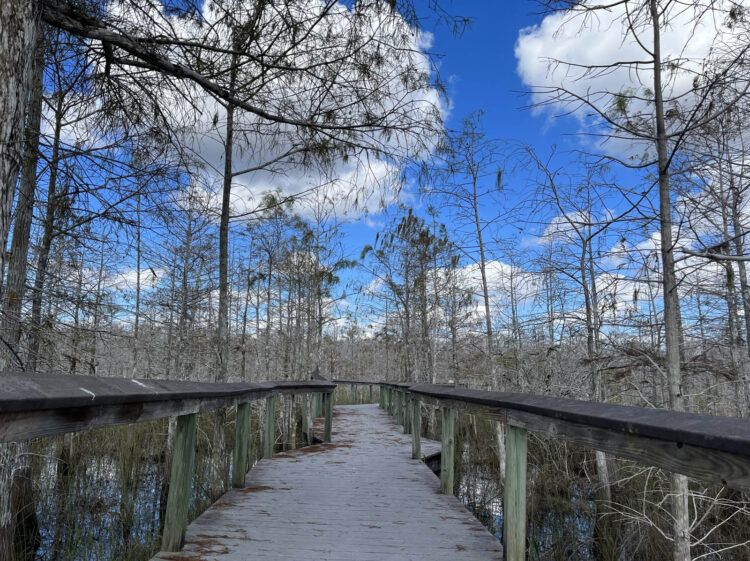
Homestead entrance at Everglades National Park
The Homestead entrance to Everglades National Park is half-way between downtown Miami and the Florida Keys. It’s a route into the interior of the park with many more options to stop and explore. It’s easy to spend more time here than Shark Valley because there are more areas to explore, trails and waterways.
If you choose the Homestead route, pack a picnic lunch (there will be no food service in the park until your reach Flamingo 38 miles away) and plan to spend the day — or two or three.
For an in-depth visit to the Everglades, you’ll need to either camp in the park, stay in an eco-tent in Flamingo (a “glamping” experience where you don’t need camping gear) or stay in the new Flamingo Lodge.
Coe Visitor Center at Everglades National Park
The first stop, even before entering the Everglades park and paying your $35 per car admission (good for seven days), should be the Ernest F. Coe Visitor Center, because it offers well-designed interactive exhibits that help you appreciate what you are about to see. There’s a very good 15-minute film “River of Life” in the theater.
Be sure to get maps here and ask any questions you have about planning your visit. We’ve found the Everglades park staff and volunteers here extremely helpful and knowledgeable.
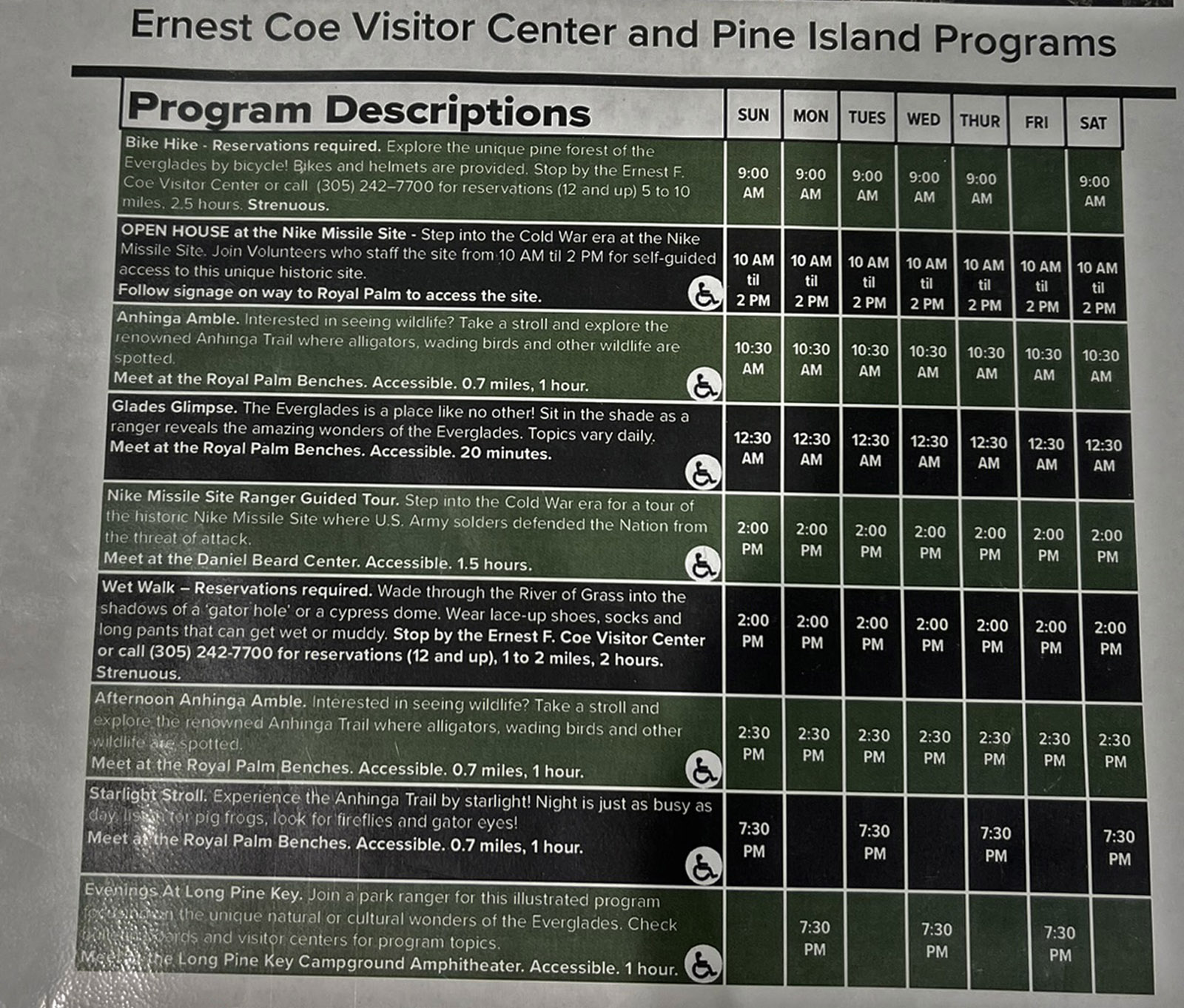
Be sure to check the schedule of ranger-guided programs. From mid-December to the end of March, these range from 50 minute walks through interesting sites where you’ll have an expert to identify plants, birds and animals to bike rides, canoe trips and slogs through the slough. This is a good way for first-time visitors to learn about this unique environment and these experiences may end up being your Everglades favorites.
Because of the size of the park, there are separate schedules for ranger programs at the Coe Visitor Center (where you enter the park) and at the visitor center at Flamingo.
Some highlights of ranger programs at the Coe Visitor Center:
- At 2 p.m. daily, a ranger leads a free Wet Walk through the river of grass. You need reservations, plus the right clothes to get wet — lace up shoes, socks, long pants, all of which will get wet and muddy. Kids must be at least 12. You also need reservations. Call ahead 305-242-7700 or register at the visitor center. (Size is limited.)
- At 2 p.m. daily, a ranger leads a guided tour of the historic Nike Missile Site. (More on this below.)
- Here’s a list of 2024 programs at the Coe Visitor Center, Dec. 15, 2023 – March 31, 2024.
The Anhinga Trail: Your ‘must do’ in Everglades National Park
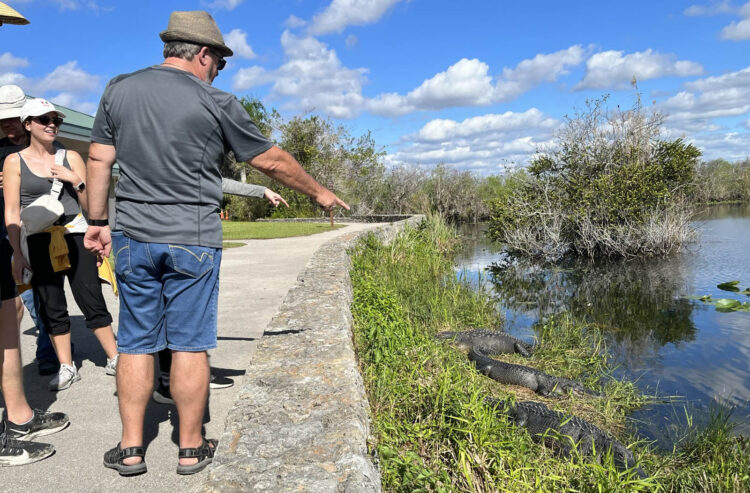
Four miles after entering the park you come to the one “must do” of the Everglades visit — the Anhinga Trail at Royal Palm. This is most reliable place to see alligators and Everglades wading birds surprisingly close within the Everglades. (Note: Mid-winter to spring is the best time to see a profusion of wildlife.)
Before it became a national park in 1947, this was Royal Palm State Park and it was this remarkable site teeming with wildlife that grabbed the attention of the women (and it WAS women) who led the way to Everglades preservation.
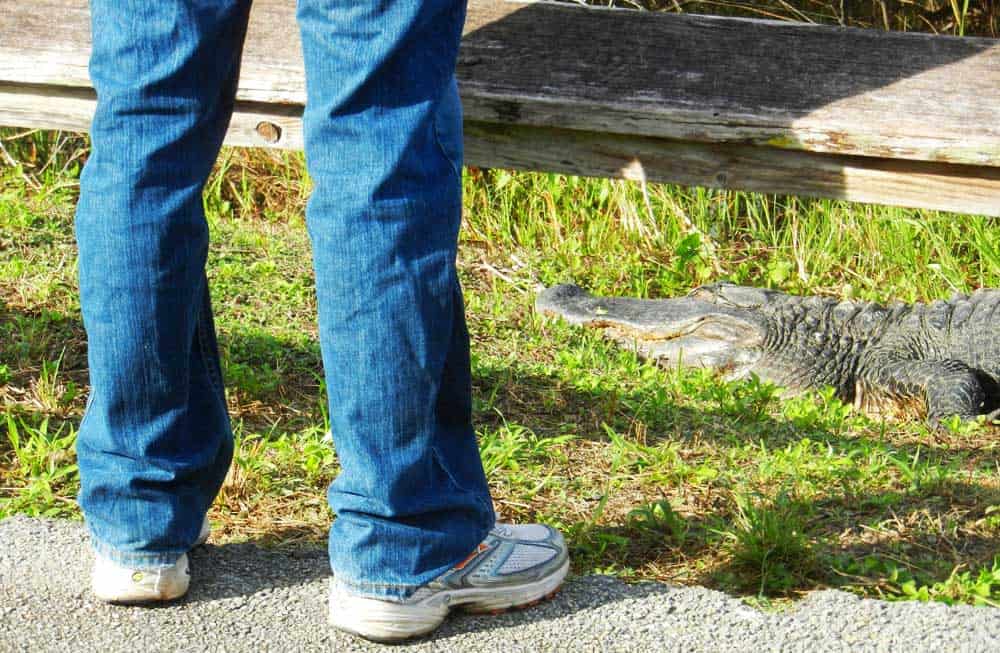
The Anhinga Trail is an easy .8 mile paved and boardwalk trail. I have visited many times in winter and have never failed to see at least one alligator clearly and close, and sometimes a few dozen.
A range of Everglades birds — great blue herons, snowy egrets, cormorants, anhingas, moorhen, coot, wood storks — are often visible. During spring, anhingas nest in trees right next to the boardwalk.
Some may think this trail is a little too Disney-like, because it requires so little effort and the animals seem almost tame. You will see families, strollers and wheelchairs, photographers with huge long lenses and you’ll hear more people speaking other languages than English.
To me, the accessibility of this spot is beautiful; it guarantees a large number of people will have the Everglades experience and be convinced it’s worth preserving. And the animals here really are wild!
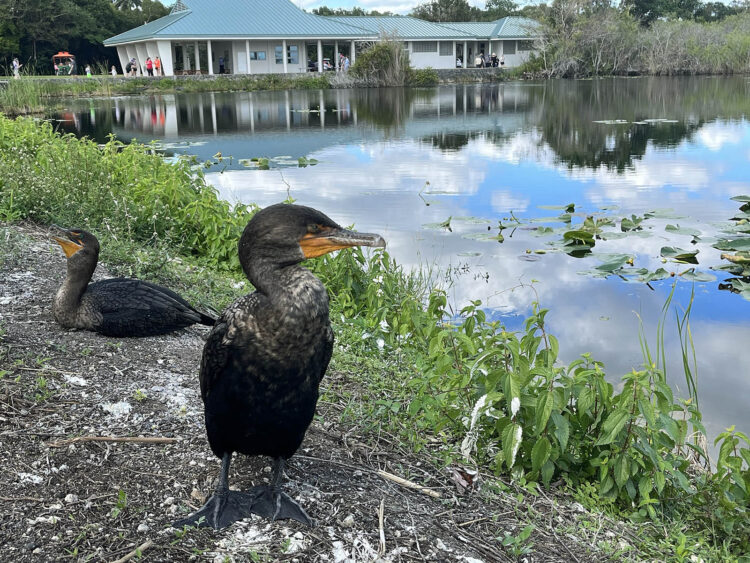
A ranger in the visitor center made an interesting observation on a recent visit: Sightings of wildlife along the Anhinga Trail have not been as profuse in recent years as Everglades restoration has brought more water into the glades, he said. He used to count 40 or 50 alligators along the trail; now he’s more likely to see a half dozen.
The concentrated wildlife was a function of animals seeking rare pockets of water during the dry season; those pockets of water are a less rare, thanks to restoration work — a good thing for wildlife!
At Royal Palm, there is another short trail, the Gumbo Limbo Trail. While a pleasant walk through a vegetation typical of a dryer part of the Everglades, for first time visitors, I’d recommend skipping this one and driving down the main road a bit.
Tip: I always take visitors on the Anhinga Trail. In fact, my recipe for “one day in the Everglades” includes these ingredients: a fruit milkshake at Robert is Here on the way into the park, a stop at the visitor center, a walk on the Anhinga Trail and then a walk on two or three short trails along the road described below. (These trails are accessible to wheelchairs and strollers.)
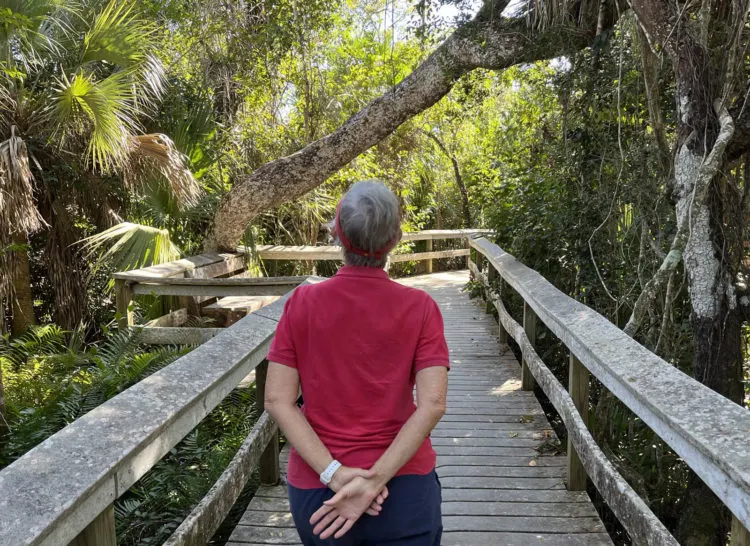
Stops along the main road in Everglades National Park
Along the main Everglades road, there are a series of stops with short walks that round out your experience. Most people don’t have time to do it all, so I would recommend you choose perhaps two or three of these:
The Pinelands Trail is a half-mile walk, this time through another environment, a typical Florida pine forest. A longer trail is nearby, starting near the Long Pine Key picnic area (which is very nice place for stop for the picnic you packed.)
The Pa-hay-okee Overlook. The observation tower here gives you a chance to appreciate the grand sweep of the Everglades and dwarf bald cypress trees. It is beautiful in late afternoon light.
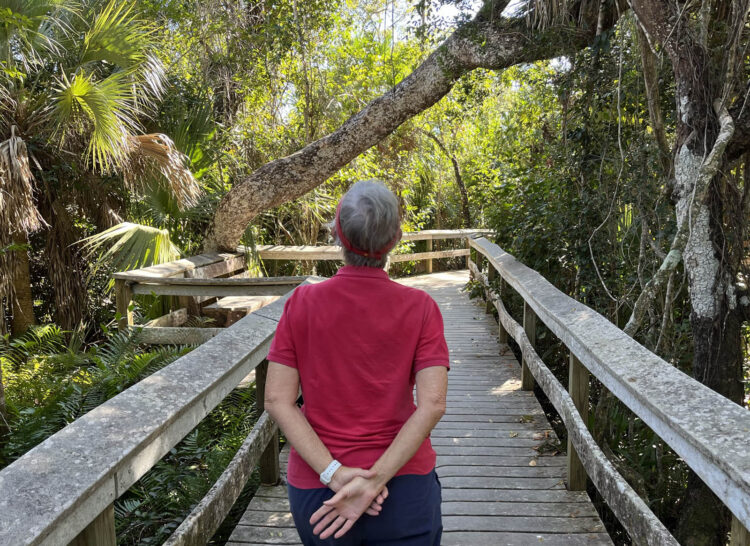
The Mahogany Hammock Trail. This half-mile boardwalk takes you through the sort of jungly Tarzan-movie setting that many people come expecting at the Everglades. It’s a good way to see what a difference a few inches of elevation makes. (A hammock is a tree island where slightly higher ground leads to a profusion of trees.)
Look and listen: We’ve seen a barred owl here on several occasions. It’s a shady trail; good for warm days. That mahogany tree? It’s the largest living mahogany specimen anywhere!
West Lake: This is a good stop if you want a place to picnic. It’s 30 miles beyond the Homestead entrance. It reopened in early 2022, better than ever now that 2017 hurricane damage has been repaired. This stop has only a few covered picnic tables and a restroom.
There is also a boardwalk a quarter mile through the mangroves to an overlook at the lake’s shoreline, where you see trees damaged by that 2017 storm. (This trail can be buggy, so be prepared.) There is also a boat ramp, which is the launch site for the West Lake Canoe Trail, which hugs the southern shore of the big lake and is eight miles long one way.
The end of the road: Flamingo
The road continues to Flamingo, where it ends at Florida Bay.
Should you drive all the way to Flamingo? You can have a great Everglades visit without it and it is far — 38 miles from the park entrance.
If you have the time, though, Flamingo has some unique offerings, specifically, reliably good opportunities for observing wildlife you won’t see elsewhere in the park and a terrific new visitor center.
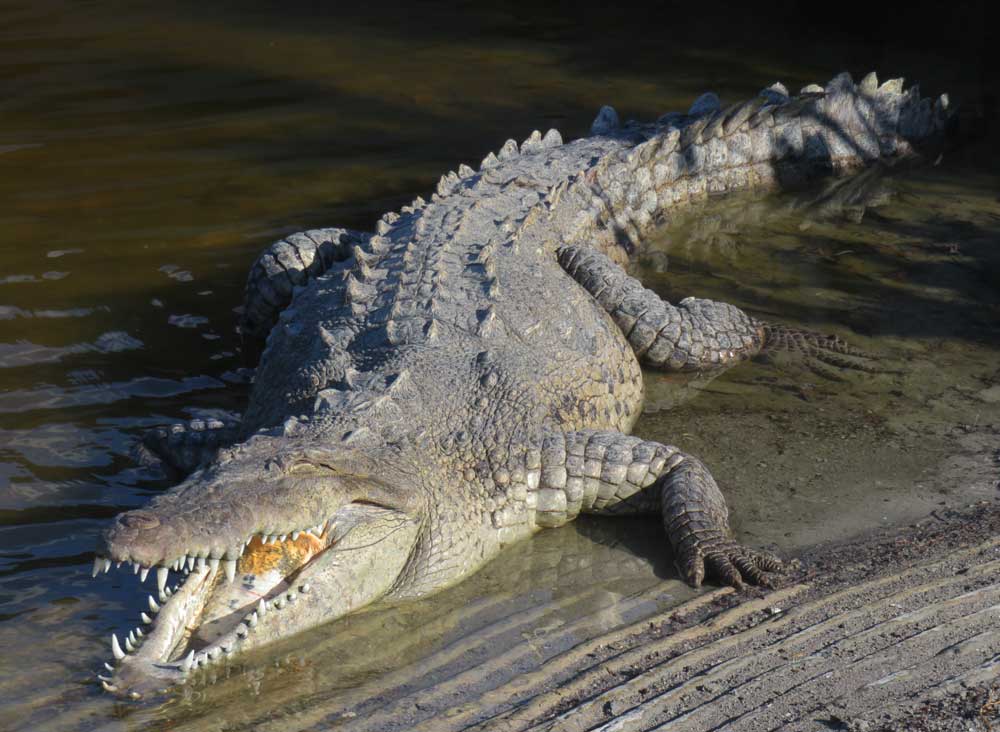
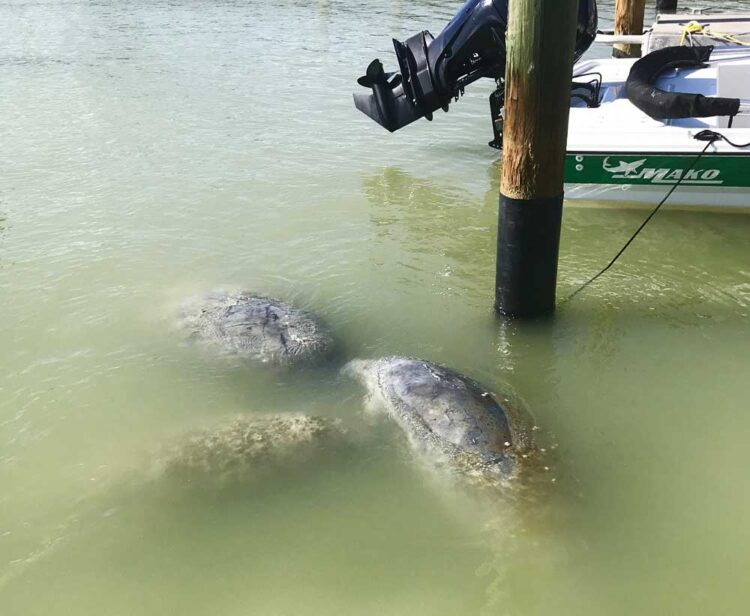
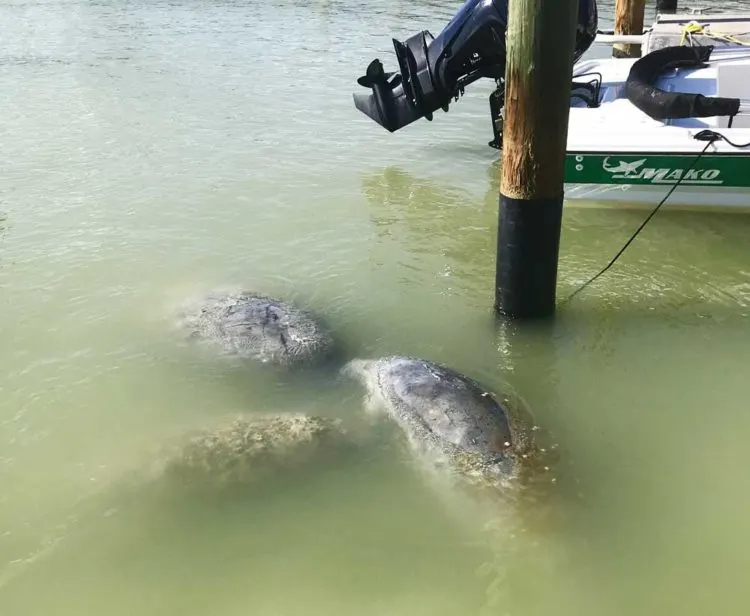
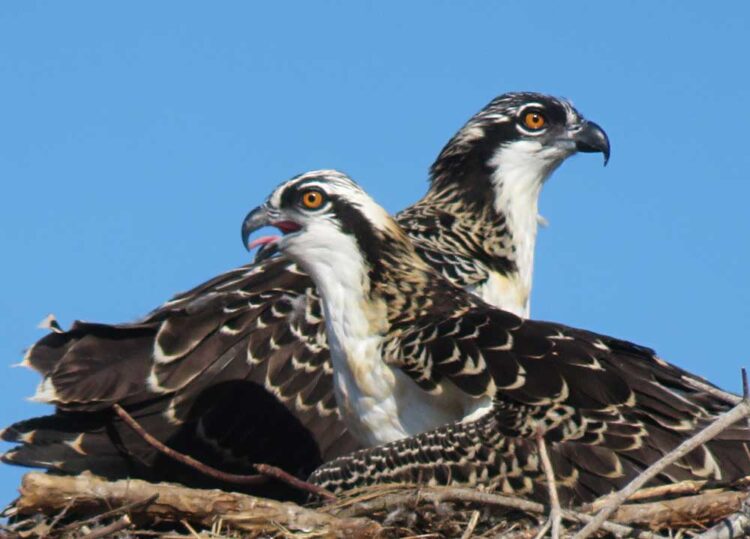
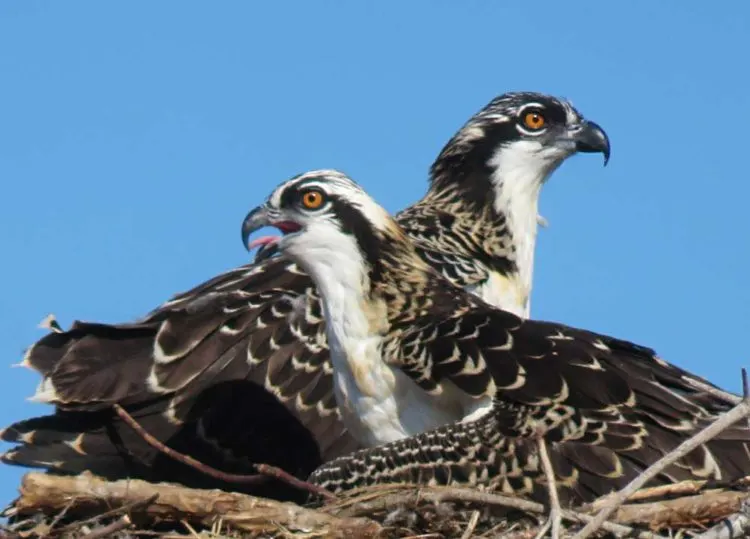
The wildlife here is remarkable. A dozen manatees make the marina basin their place to hang out and are frequently seen. Crocodiles — rarer and more endangered than alligators — are often present in the waters around the marina. The bird life is extensive. An osprey builds a nest right in the middle of the busy marina every year where visitors see mom, dad and chicks living their osprey lives perhaps 20 feet away.
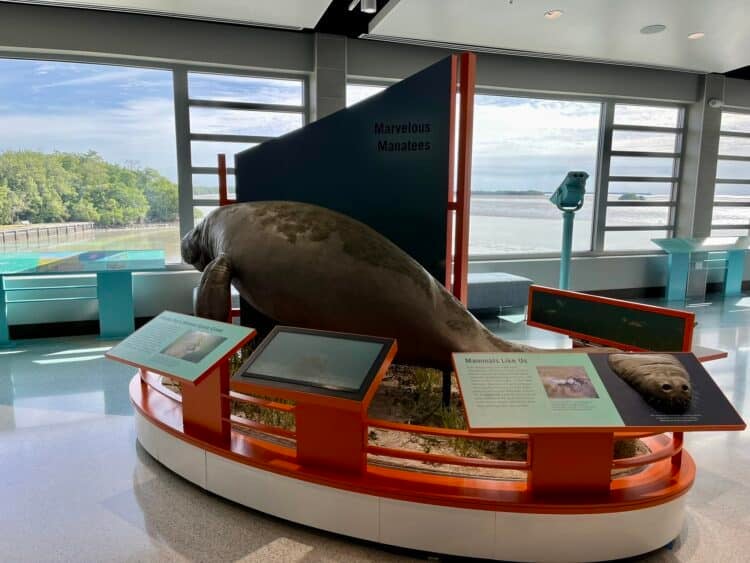
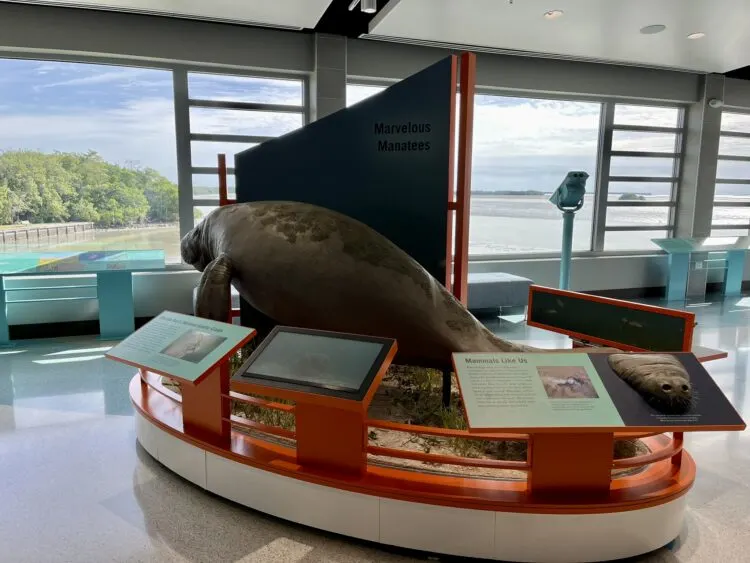
Newly opened just in time for the 2024 season is the beautifully restored 1957 pink mid-century modern Guy Bradley Visitor Center. The excellent exhibits help you understand and appreciate the animals and ecology of the Everglades. But the best part are the huge picture windows overlooking Florida Bay. Try to visit at low tide because the mud flats visible from here fill up with all sorts of birds and the free high-powered binoculars make it easy to view them.
When you’re in the Flamingo area or on your way there, check for birds at West Lake, Mrazek Pond and Eco Pond. (At Eco Pond, you can take a very nice short walk around the pond and gain various vantage points. When birds are present, wildlife photographers abound.)
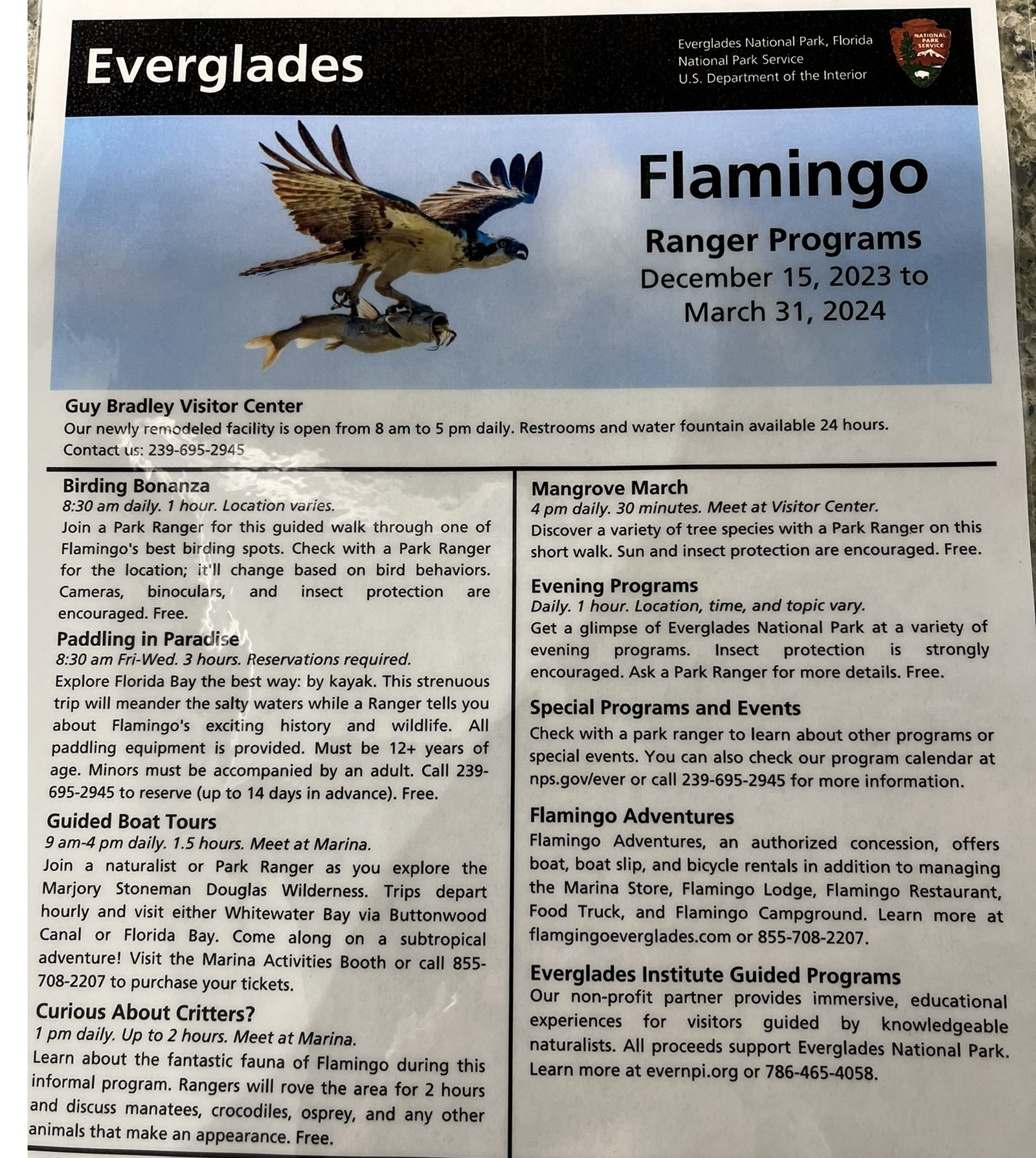
The Flamingo area has its own schedule of ranger programs. Highlights of the witner programs, include:
- Every day at 8:30 a.m. a ranger leads a free birding walk at a nearby location where something interesting has been seen.
- At 8:30 a.m., every day but Thursday, a ranger leads a three-hour kayak trip into Florida Bay. It’s free and kayaks are provided.
- Here’s the schedule of Flamingo ranger programs offered Dec. 15, 2023 to March 31, 2024
Staying at Flamingo in Everglades National Park
Accommodations and marina activities at Flamingo are managed by the concessionaire Flamingo Adventures, with whom you can book boat tours and rent kayaks, skiffs and bikes. You can even rent houseboats. While expensive, we loved our houseboat experience; read about it here.
The Flamingo Lodge, which opened in November 2023, has four buildings with a mix of studio, one-bedroom, and two-bedroom units, all featuring kitchenettes, balconies, and fabulous views of Florida Bay.
These buildings and a new restaurant are constructed of repurposed shipping containers on stilts. The lodge is located between the visitor center and the campground. It’s not cheap; national parks never are. Rates begin at $159 for the studio in the “low season” in summer and $259 in the winter. There are 24 rooms and four are ADA accessible. Here’s our review of Flamingo Lodge.
Note: During the winter season, the Flamingo lodge has a two-night minimum.
The eco-tents are a cross between tents and cabins. Guests share a central bathroom facility, like at a campground, but stay in a cabin-like structure with electricity, beds and linens. Here’s our review of the eco-tents in Flamingo. Rates for the eco-tents vary by season. They are $95 a night in winter 2023 and we had no trouble getting a last-minute spot on a weekday in January 2023. Without furnishings, the screen-enclosed tents are rented for half price off season.
For all lodge, camping, eco-tents, houseboats and boat rentals, go to Flamingo Adventures.
Here’s our guide of things to do in the Flamingo area, including kayaking into Florida Bay and hiking trails.
Tip: As you head out of the Everglades at day’s end, if you have time, stop back at the Anhinga Trail. The alligators that look dead in the noon sun become active at dusk, and it’s a thrill to see them silently glide through the water with only their tail gently moving to propel them. Also, the walk is quieter and less crowded. On Sunday, Tuesday, Thursday and Saturday in winter, a ranger leads a guided walk at 7:30 p.m. at the Anhinga Trail.
More in-depth Everglades National Park experiences
Since the Everglades National Park admission is $35 for seven days, a multi-day visit is economical. Here are ideas for things you might do if you have additional time.
The non-profit Everglades National Park Institute offers several activities for a fee, including cypress dome wet walks, a Florida Bay kayak outing, an all-day guided tour of the Everglades and more.
Historic Cold War Nike base. This is a popular tour for history lovers and draws a different group of visitors to the park. Prompted by the 1962 Cuban Missile Crisis, the U.S Army built a base here with nuclear missiles and featuring high security. The decommissioned base is well-preserved and includes a refurbished 1960 Nike Hercules missile. Here’s my report on the fascinating tour, offered at 2 p.m. every day during the winter season.
Best Everglades canoe and kayak trails: Bring your canoe or kayak or rent at the marina at Flamingo or from Nine Mile Pond, a five mile loop through a vast shallow sawgrass marsh dotted with mangrove and tree islands. (You can reduce this loop to 3.5 miles by taking a shortcut noted in the article.) The Everglades National Park Institute also offers a guided tour of Nine Mile Pond.
If you’re on your own and it’s not too windy, you can kayak along the shore of Florida Bay by bringing your own or renting kayaks at the Flamingo Marina. Details are in our Flamingo guide.
For a more adventurous kayak-camping trip that doesn’t require reservations far in advance, I’d recommend canoe-camping Flamingo to Cape Sable. It’s 11 miles and you camp on a wilderness beach. (But no swimming: Crocodiles!)
The ultimate Everglades adventure — not for everyone — is paddling the Wilderness Waterway. This is a multi-day camping trail that requires you to arrange livery service to drive you back to your starting place and car. Here’s the park service’s brochure on the trail.
Boat tours at Flamingo: The marina at Flamingo offers two boat tours — one into the inland back country and one into Florida Bay ($40 adults; $20 kids). Both include naturalist guides who point out and identify wildlife. Details.
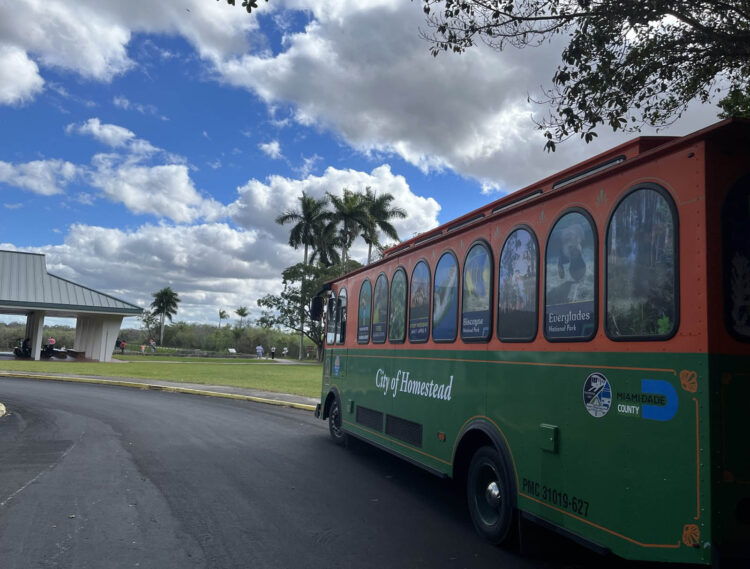
Free admission to Everglades National Park via the Homestead National Park Trolley
FREE admission to the park is available on winter weekends if you take the Homestead national parks trolley system. It’s a really good deal.
If you arrive by trolley, you will have limited options within the park, but it brings you to some of the real highlights. If you arrive by trolley, you should stop at the visitor center and look at the exhibits and watch the video.
Then, take the next trolley to Royal Palm, where you can walk two trails: the famous wildlife-filled Anhinga Trail and, if you have time, the jungly Gumbo Limbo Trail. Bring lunch or a snack.
The trolley also makes a 20-minute stop at Robert is Here, so it’s a good chance to buy a yummy fresh-fruit milkshake to sustain you. Here are details of the trolley system.
Planning your visit to the Everglades
- Admission to Everglades National Park to $35 per car with a pass good for seven days. As soon as you turn 62, get a senior pass. For $80, it offers lifetime admission to all national parks. Also: Take advantage of these free days in national parks.
- Do not rely on cell phones for critical communication while visiting the park. This is a large wilderness area and most cell phones won’t have service, even along the main roads. AT&T has a tower at Flamingo and service is good for their customers.
- The Everglades National Park website
- Camping in the Everglades
- Everglades National Park map. (Be sure to check for updates and closed areas.)
- The Anhinga Trail
- Shark Valley entrance, with its 15 mile trail and trams ride
- Robert is Here, the funky fruit stand near the Homestead entrance. I consider it an integral part of the “visit the Everglades experience,” and the free trolley does make a 20-minute stop here.
- If you are spending time in the Everglades, the rural area around the Homestead entrance to Everglades National Park is full of interesting places to visit and tasty experiences, including Fruit and Spice Park, Schnebly Redland’s Winery plus strawberry farms and a historic railroad village. This is a guide to visiting the Redland region. This includes the extremely popular Knauss Berry Farm, for strawberry milks shakes and Florida’s best cinnamon rolls, open only fall to spring.
When to visit Everglades National Park? Not summer
There are few places in Florida as inhospitable in summer as Everglades National Park. It is unbearably hot and mosquitos and no see ums are miserable. With water everywhere, the wildlife is not as visible. (The best concentrations of birds require the Everglades to be drying out, which generally occurs later in the winter.)
All the programming in Everglades National Park is built around the winter season, mid-December through Easter. You can have good experiences, however, in the fall — mid- to late-October if you check the weather for good days — and in the spring through the end of April. Both October and April are likely to be in 80s and pretty humid.
Frequently asked questions about Everglades National Park
Can you drive through Everglades National Park?
Yes, at the Homestead entrance to the park, you can drive on the main park road 38 miles from the visitor center to Flamingo. But the best experience in the Everglades will involve getting closer to nature, walking the short trails, kayaking on the waterways or taking a boat tour.
What’s the best time of year to visit the Everglades?
You’ll see the most wildlife when the Everglades dries out mid-winter. When water is less plentiful, wildlife concentrates around the remaining ponds. Depending on rainfall, that can begin in December or January and continue until late spring.
For visitors, the most pleasant weather is December to March. Days in November and April can be pleasant, but they also can hot and humid. June to October are invariably hot, humid and often buggy.
Is it hard to see alligators in the Everglades?
Not at all. The common figure is that the Everglades are home to some 200,000 alligators. Except at the wettest time of year, most visitors will see alligators along the Shark Valley path or the Anhinga Trail in Everglades National Park. But you don’t have to go to the Everglades to see alligators in Florida. Most freshwater rivers and lakes in Florida outside urban areas will have some alligators. They’re also easy to see along the Tamiami Trail in Big Cypress Preserve, adjacent to Everglades National Park. It has no admission price.
Is it dangerous to see alligators in Everglades National Park?
No. One thing that amazes visitors to the Everglades in winter is that you often see alligators right next to or actually on paved pathways and trails. The park advises that you stay 15 feet away from a gator. Alligator attacks are extremely rare, however.
How many days do I need to see the Everglades?
You could spend a lifetime exploring this wilderness. But most visitors will have a day or two.
- If you have only a few hours, visit Shark Valley and take a walk, bike ride or tram tour.
- If you have one day, go to either Shark Valley and also take a drive on Loop Road OR enter at Homestead and explore the stops along the main park road described in the article above.
- If you have two days, start in Homestead and stay overnight in Flamingo, at either the lodge or eco-tents. OR, if it fits your larger itinerary better, go to Shark Valley and stay in Everglades City. On day two, either arrange a kayak trip on the Turner River or take a hike at Fakahatchee Strand Preserve State Park.
More Everglades experiences from Florida Rambler
Florida Rambler guide to campgrounds in the Everglades
Driving across the Everglades on the Tamiami Trail
Driving across the Everglades on Alligator Alley
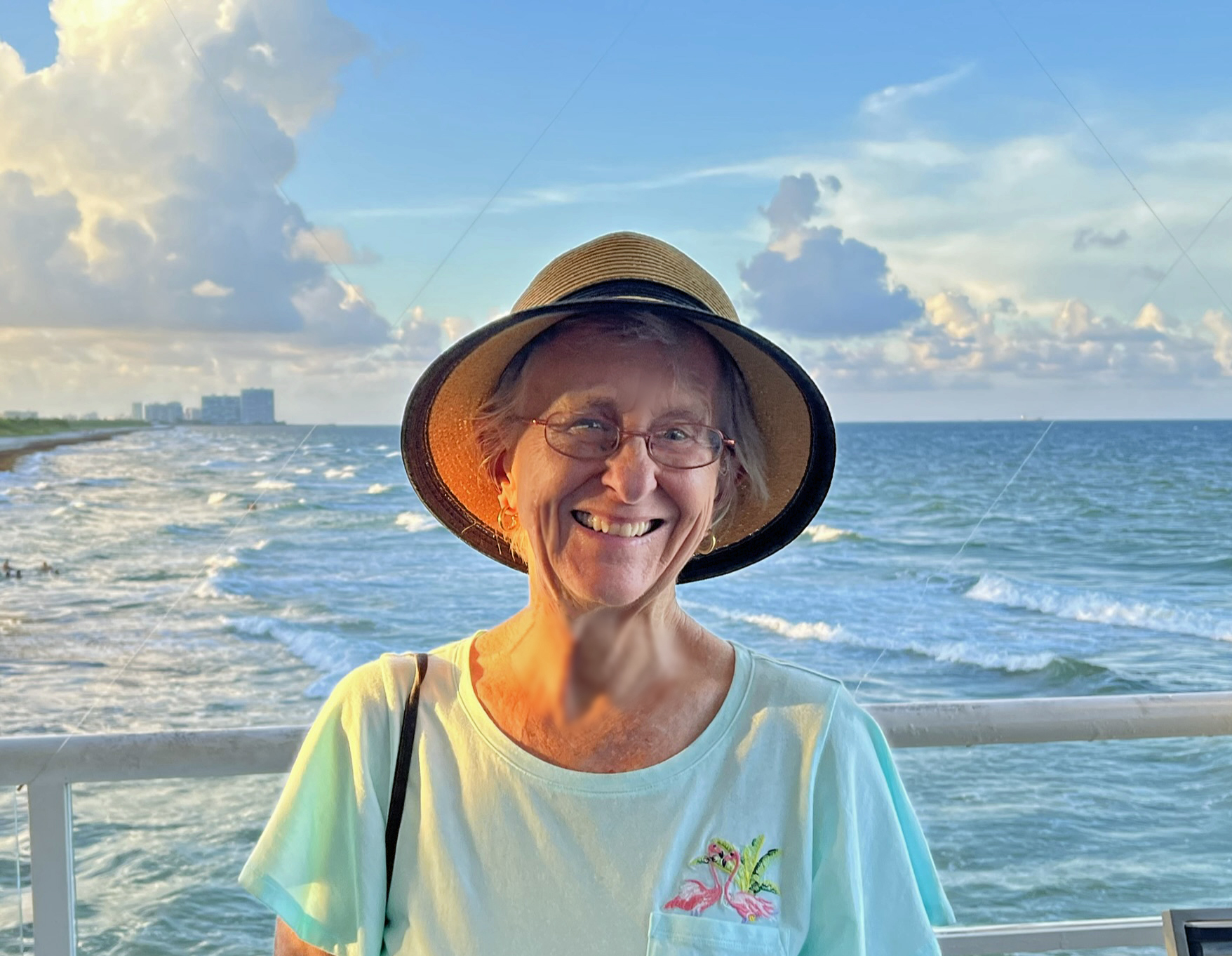
The author, Bonnie Gross, travels with her husband David Blasco, discovering off-the-beaten path places to hike, kayak, bike, swim and explore. Florida Rambler was founded in 2010 by Bonnie and fellow journalist Bob Rountree, two long-time Florida residents who have spent decades exploring the Florida outdoors. Their articles have been published in the Sun Sentinel, the Miami Herald, the Orlando Sentinel, The Guardian and Visit Florida.
Scott P.
Saturday 16th of September 2023
Bonnie,
This is an excellent article — thank you so much! My girlfriend and I are planning to fly to Miami on Christmas Day and staying until either New Year’s Day or the 4th of January, spending most of that time in the park and the rest exploring the Florida Keys and AirBnB-hopping. We like to kayak, bike, and hike. We’re concerned about the lack of kayaking this year due to the redevelopment you mentioned above, but I can’t find much about it when I googled. Can you advise if there will be any/enough kayaking to still spend 4-5 nights at the park? Would you suggest we delay this trip until next year? Just looking for your opinion.
Scott P.
Wednesday 20th of September 2023
@Bonnie Gross, Thanks a million!!!
Bonnie Gross
Saturday 16th of September 2023
Scott,
Maybe I should be clearer in the article. There are three entrances to Everglades National Park and they do not connect -- Homestead, Shark Valley and the Gulf Coast. There are vast wild areas between and around the national park, including Big Cypress National Preserve. The construction is at the Gulf Coast headquarters of Everglales National Park. But there is still excellent kayaking in that area -- my favorite Everglades trip, in fact, the Turner River. https://www.floridarambler.com/kayaking-in-florida/turner-river-kayak-trail-everglades/ It will not be affected by the construction at the Gulf Coast.
Shark Valley is terrific stop, particularly to rent bikes or take the tram. There's no kayaking there, but it is very close to the Turner River, and there are several other kayaking options in the area.
Homestead has several kayaking options, including a few from Flamingo ant the most popular, Nine Mile Pond.
Dave K.
Wednesday 31st of May 2023
Overnight Kayak Camping Tours
Come kayak, explore and truly experience the REAL Everglades! We offer fully outfitted and guided 3-5-8-day overnight kayak camping tours in the backcountry of Everglades National Park. You can find complete details at www.floutdooradventures.com. Feel free to contact me if you have any questions.
Dave K. Florida Outdoor Adventures, Everglades Kayak Tours http://www.floutdooradventures.com [email protected] 386-295-1850
Randy Welch
Tuesday 13th of September 2022
Bonnie - my wife and I have recently retired and have always wanted to visit the Keys and Everglades. I am excited to finally be doing so in October. After reading several of your wonderful articles we are revising our plans to better maximize our sightseeing opportunities. I just wanted to say THANK YOU for for what you do and the wonderful help you are to visitors to the southern Florida area. Now I can't wait to try the Key Lime milkshake at Robert Is Here!!
Bonnie Gross
Tuesday 13th of September 2022
Randy: Definitely stop at Robert Is Here. Be aware: the Key Lime milk shake is actually pretty tart. My son-in-law got one on a visit with me and he was not a fan. Other flavors are awesome, however. Also: Be prepared for it to still be hot. Fall weather doesn't get her until the end of the month or even November these days. Good luck!
Rachele Kelley
Thursday 24th of March 2022
I wish you could cover the Copeland area of the Everglades. I grew up at fire tower on Jane's Scenic Drive. Do they still have camping?
Rachele A Kelley
Thursday 24th of March 2022
Very good info for folks thx